The Psychology of Bluffing
Understanding the psychology behind bluffing is crucial for any successful poker player. Bluffing is not just about deceiving your opponents; it’s about reading their reactions and adjusting your strategy accordingly. Successful bluffing requires an acute awareness of your opponents’ tendencies, moods, and attitudes at the table. For instance, some players may fold easily when they sense a strong hand, while others might relish a challenge and call your bet regardless of their own cards, especially when playing at a casino fast withdrawal uk that prioritizes quick payouts.
Moreover, the timing of your bluff can significantly affect its success. A well-timed bluff can exploit your opponents’ weaknesses, such as their fear of losing a significant pot or their desire to maintain a winning streak. Remember that bluffing too often can make you predictable. Hence, it’s necessary to create a balance between bluffs and strong hands. This unpredictability will keep your opponents guessing, increasing your chances of winning pots that you otherwise might not have.
In addition, consider the table dynamics when planning your bluff. Players with aggressive playing styles might be more prone to call, while passive players may fold at the first hint of pressure. Adjusting your bluffing techniques to exploit these characteristics can lead to greater success. As you become more attuned to the psychological aspects of your fellow players, your bluffing skills will naturally improve, making you a formidable opponent at the poker table.
Types of Bluffs and Their Uses
There are several types of bluffs, each with its specific applications and effectiveness in poker. The most common type is the pure bluff, where you bet or raise with a hand that is unlikely to win. This strategy requires confidence and often relies on the opponents’ ability to fold under pressure. A successful pure bluff should take into account factors like table image and the overall game situation, as different opponents will respond uniquely to such tactics.
Another effective bluffing technique is the semi-bluff, which involves betting with a hand that has the potential to improve. For example, if you have a drawing hand, you can represent a stronger hand while still having the chance to win if you hit your draw. This method is often more successful than a pure bluff because you’re not entirely reliant on your opponents’ reactions; you still have the possibility of completing your hand and winning.
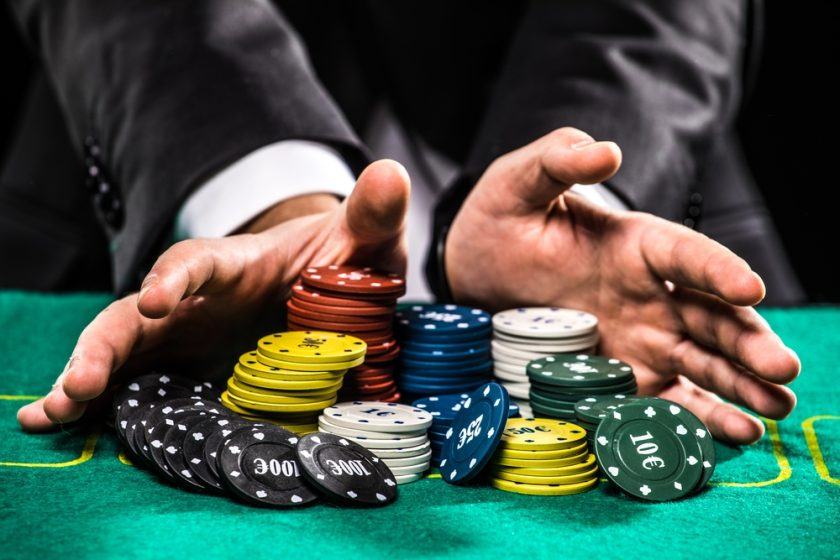
Additionally, the check-raise bluff is another powerful tool in a poker player’s arsenal. This involves checking to your opponent and then raising after they make a bet. It can create the illusion of weakness, making your opponent believe they have the stronger hand. This tactic can be particularly effective against aggressive players who will willingly bet into what they perceive as a weak hand. Mastering different types of bluffs can enhance your overall game and keep your opponents guessing.
Reading Opponents for Successful Bluffing
To successfully bluff at the poker table, the ability to read your opponents is essential. Observing how they play, their betting patterns, and their emotional reactions can provide invaluable insight into their possible hand strength. Beyond just understanding their playing style, look for physical tells such as body language or facial expressions. For example, a player who is unusually still may be trying to conceal a strong hand, while one who is fidgety might be bluffing themselves.
Furthermore, paying attention to the size of their bets can reveal information about their confidence. A large bet may indicate strength, while a smaller bet could signal weakness. When you can accurately assess your opponent’s level of discomfort or confidence, you can strategically decide when to bluff. It’s also important to consider the board texture and how it interacts with your opponent’s likely range of hands.
Awareness of how other players perceive you can also enhance your bluffing potential. If your table image is tight or conservative, your bluffs may carry more weight, as opponents will be less likely to call your bets. Conversely, if you are seen as overly aggressive, your bluffs may be met with skepticism. By cultivating a favorable table image, you can exploit these dynamics to increase the effectiveness of your bluffing techniques.
The Importance of Position in Bluffing
Your position at the poker table plays a significant role in the effectiveness of your bluffing strategy. Players in later positions have a distinct advantage, as they can observe their opponents’ moves before making their decisions. This additional information allows for more informed bluffing attempts and can increase the likelihood of success. For instance, if you are in a late position and notice signs of weakness from earlier players, you might choose to bluff, knowing they may be more inclined to fold.

Conversely, attempting to bluff from an early position is generally riskier, as you have less information and more opponents still to act. Bluffing in early positions can easily lead to being called by players with stronger hands. Thus, understanding the dynamics of position can help you choose the right moments to implement your bluffing strategies, making your overall game more effective.
In addition to your position relative to the other players, consider how the position of common betting rounds affects your bluffing opportunities. For example, bluffing on the turn can be particularly effective after a passive flop, as it may mislead opponents into thinking that the board is improving your hand. Utilizing your position wisely allows you to enhance your bluffing strategy and maximize your chances of success.
Stay Informed and Refine Your Skills
Whether you are a novice or a seasoned player, continuously refining your skills in bluffing is crucial for long-term poker success. Engaging with online poker communities, watching strategy videos, and reading books on poker can provide you with fresh insights and techniques. Understanding the latest trends in bluffing techniques and how they adapt to different gaming environments will keep your skills sharp and relevant.
Additionally, regular practice can significantly enhance your ability to bluff effectively. Playing in various settings, whether home games, online platforms, or local tournaments, exposes you to different player styles and dynamics. The more experience you gather, the more intuitive your bluffing decisions will become. Recording your sessions and analyzing your gameplay can also help identify areas for improvement.
Finally, consider the importance of a strong foundation in poker fundamentals. Mastering concepts like pot odds, hand ranges, and game theory will provide essential support for your bluffing strategy. By combining these foundational skills with advanced techniques, you can develop a well-rounded poker game that maximizes your opportunities at the table. Embrace the journey of continuous improvement, and you will find success with bluffing as a key component of your poker strategy.